Guides
Hiring a tiler, explained
What to ask before you hire, what the British Standard expects, how a shower is made watertight, and what old floors can hide.
Questions to Ask a Tiler Before You Hire One
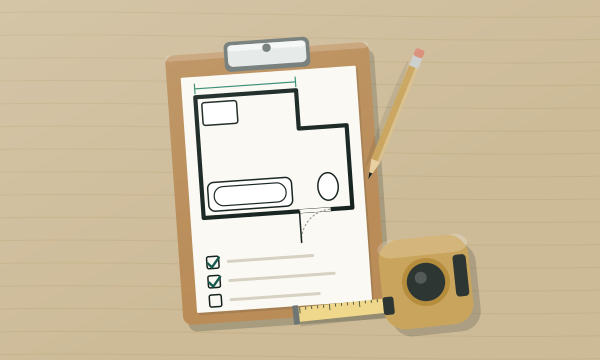
Before you hire a tiler, ask what the price includes, how the walls or floor will be prepared, how a shower will be waterproofed, who buys the tiles, how long it will take and how you pay.
BS 5385 in Plain English: The Tiling Standard
BS 5385 is the British Standard code of practice for wall and floor tiling.
Tanking a Shower or Wet Room: What It Is and Costs
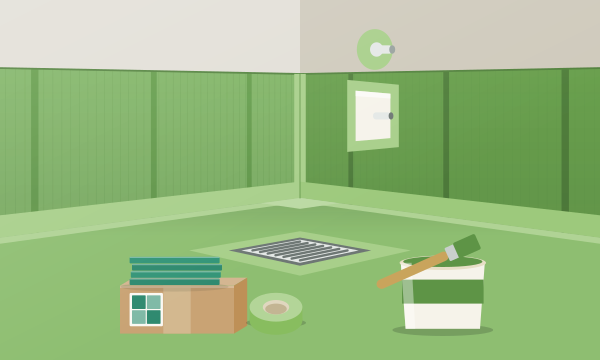
Tanking a shower or wet room costs £100 to £250 depending on the area, before the tiling, according to MyJobQuote's 2026 floor tiling guide.
Tile Weight Limits on Plaster and Plasterboard
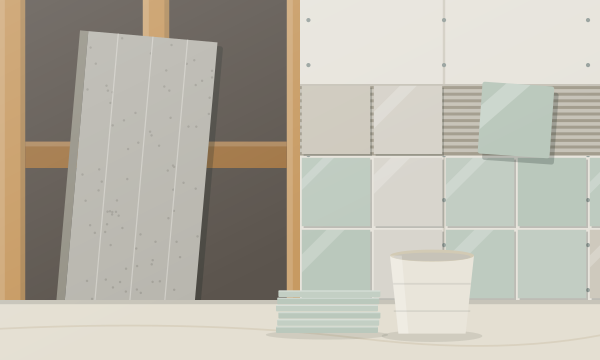
A gypsum plaster wall takes about 20 kg per m² of tile and adhesive, and plasterboard with no plaster finish about 32 kg per m², under BS 5385-1.
Can You Tile Over Old Tiles? When It Works
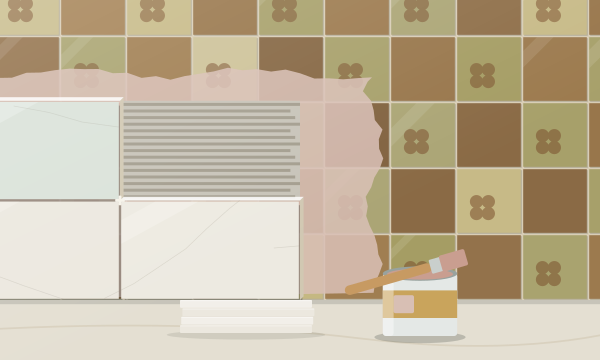
You can tile over old tiles when they are firmly bonded, flat and clean, the combined weight is within the wall's limit and the extra height works at doors and fittings.
Asbestos in Old Floor Tiles and Textured Coatings
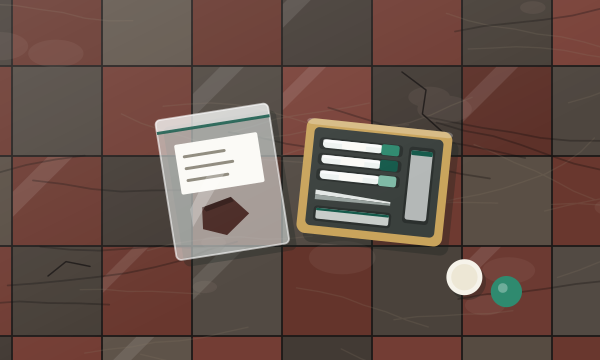
Old vinyl and thermoplastic floor tiles, the black bitumen adhesive under them, and textured wall and ceiling coatings put up before 2000 may contain asbestos.
Underfloor Heating Under Tiles: Part P and Who Does What
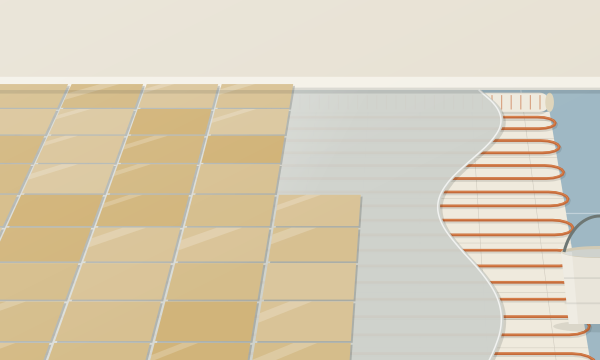
Electric underfloor heating costs £60 to £85 per m² in a renovation, according to Checkatrade's 2026 guide.
How Many m² Can a Tiler Lay in a Day?
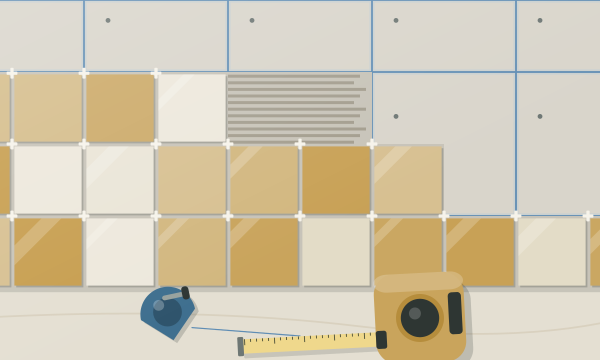
A tiler can usually lay 10 to 15 m² of wall tiles or 8 to 12 m² of floor tiles a day, according to Checkatrade's 2026 tiling cost guide.
Tiler Day Rate 2026: £150 to £350 a Day, Explained
A tiler's day rate is £200 to £350 in Checkatrade's 2026 tiling cost guide and £150 to £200 in MyJobQuote's, so £150 to £350 across both.
Painting Tiles: When Tile Paint Works and When to Retile
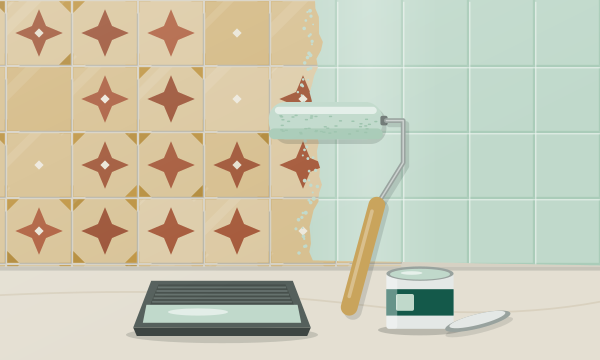
Tile paint can last for years on a dry wall that nothing rubs, soaks or heats, such as a cloakroom or a half-tiled wall behind a basin.
Grout Explained: Types, Colours, Epoxy and How to Grout
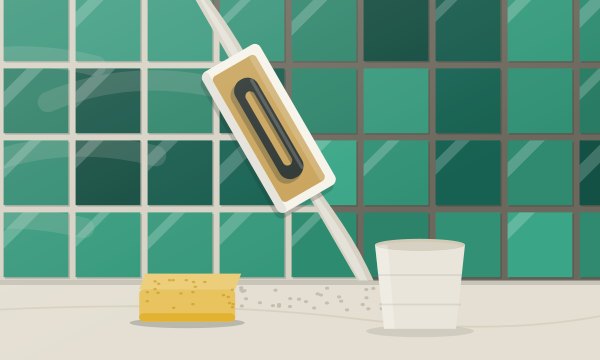
Grout fills the joints between tiles, keeps dirt out of the gaps and holds the tiles in line, but it is not waterproof, so a shower relies on the tanking behind it.
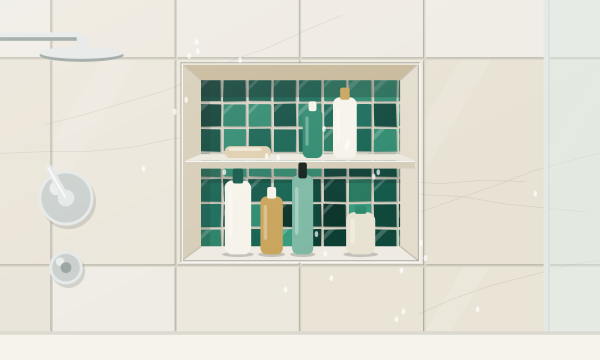
Shower Niche: How a Tiler Builds and Waterproofs One
A shower niche is a recess built into a shower wall for bottles, and it needs the most care when that wall is waterproofed: internal corners on every side and a flat sill that holds water.
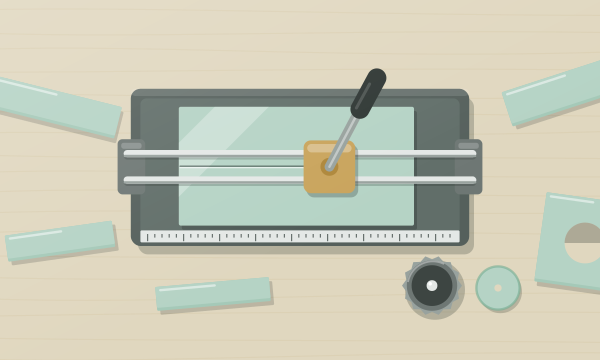
Cutting Tiles: Ceramic, Porcelain, Holes and Silica Dust
Ceramic scores and snaps cleanly on a manual cutter; dense porcelain often needs a wet saw, and holes need diamond core bits.
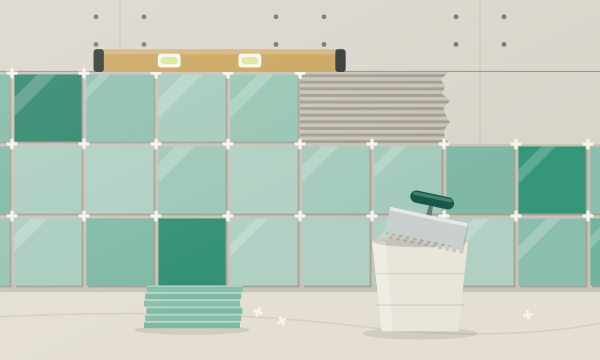
How to Tile a Bathroom: The Stages and Where DIY Goes Wrong
Tiling a bathroom's walls and floor takes a tiler three to four days in Checkatrade's 2026 guide and costs £800 to £2,050 across Checkatrade and MyJobQuote.
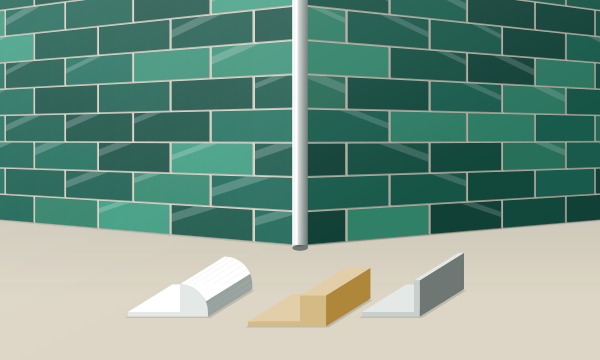
Tile Trims Explained: Metals, Profiles and Mitred Edges
A tile trim is a metal or PVC strip set under the last tile to protect and finish its edge on outside corners, window reveals and the top of half-height tiling.
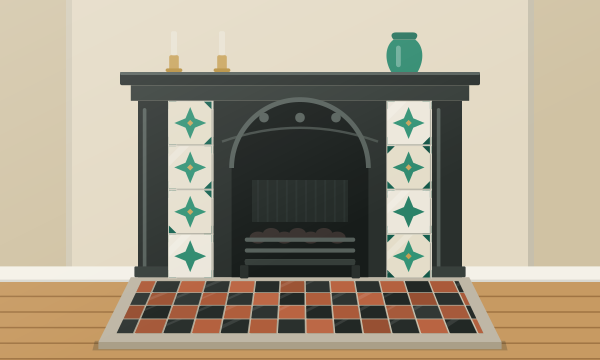
Fireplace Tiles: Hearths, Surrounds and Heat Resistance
The hearth is the non-combustible floor in front of the fire and the surround frames the opening.
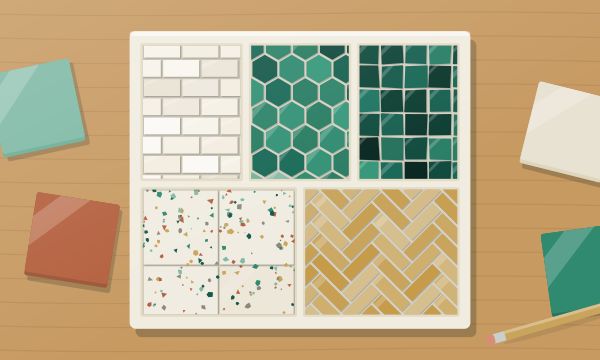
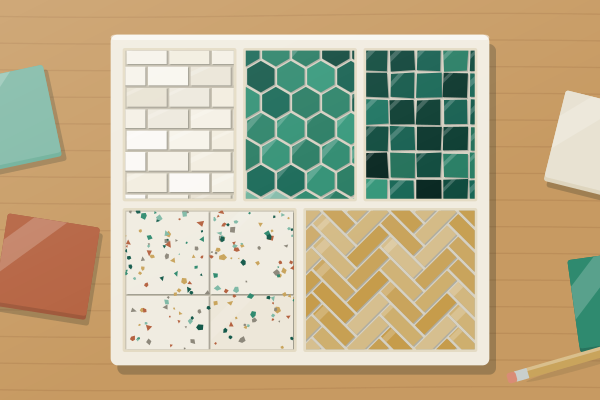
Tile Styles and Layouts: Metro, Zellige, Terrazzo and More
Metro, zellige, terrazzo, hexagon, herringbone and encaustic-style tiles each lay differently.
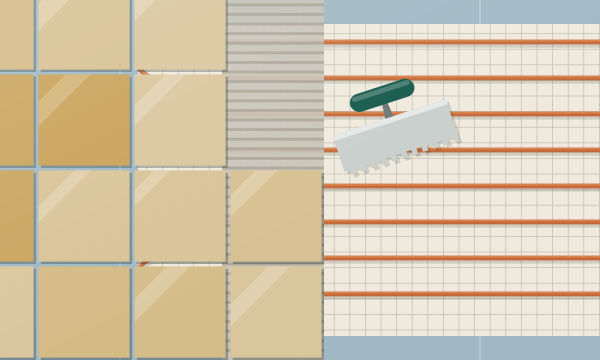
Underfloor Heating Running Costs: Electric vs Wet
The running cost of electric underfloor heating is its power rating times the hours it heats times your unit rate: at Ofgem's cap of 26.32p per kWh (October to December 2026), a 4 m² bathroom mat rated 150 W per m² costs about 16p an hour at full power.
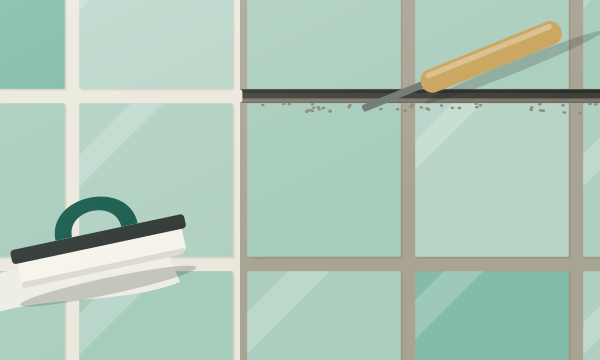
How to Clean Grout: Floors, Showers and Black Mould
Clean grout with the mildest thing that works: warm water, a pH-neutral tile cleaner and a stiff nylon brush, then an oxygen bleach paste for stains.
Porcelain vs Ceramic Tiles: Differences and Uses
Porcelain is a ceramic tile made from a finer clay fired harder, so it absorbs 0.5% of its weight in water or less and suits floors, showers and outdoors.
How to Remove Floor and Wall Tiles: Tools and Steps
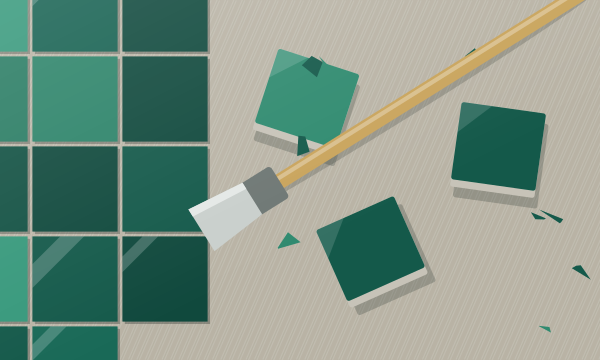
To remove floor tiles, break one out with a club hammer and bolster, then lever the rest up from that gap at the adhesive line and scrape or grind the old adhesive flat.
Tile Adhesive and Grout Drying Times: How Long to Wait
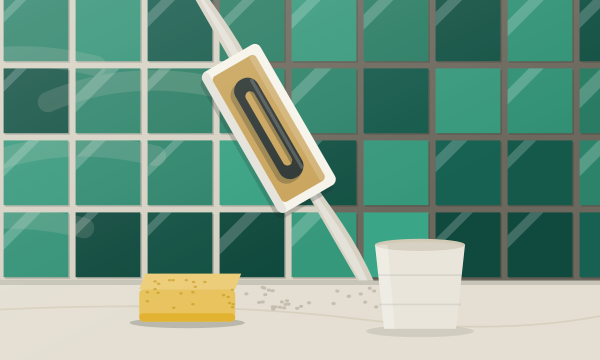
Standard cement-based tile adhesive usually needs about 24 hours before you grout or walk on the tiles; rapid-set adhesive is made to be grouted the same day.
Tiling Over Floorboards and Plywood: Board and Prep Rules
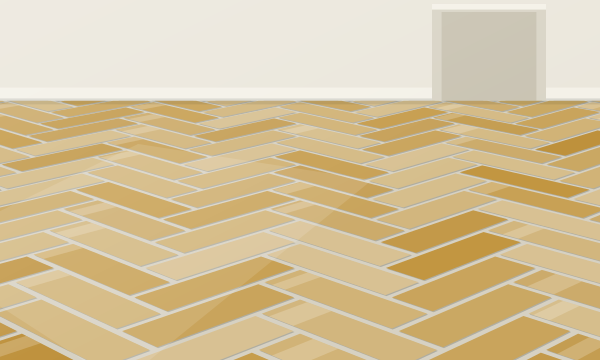
Not straight onto floorboards: they flex and move, and the tiles and grout crack.
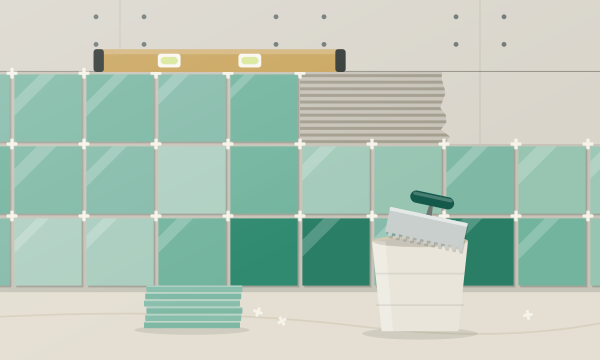
How Long Does It Take to Tile a Bathroom?
A tiler takes three to four days to tile the walls and floor of a typical bathroom in Checkatrade's 2026 guide, and about four in MyJobQuote's. Stripping out, boarding, tanking and the waits before grouting and first use come on top, so the room is out of action for longer than the tiler is on site.
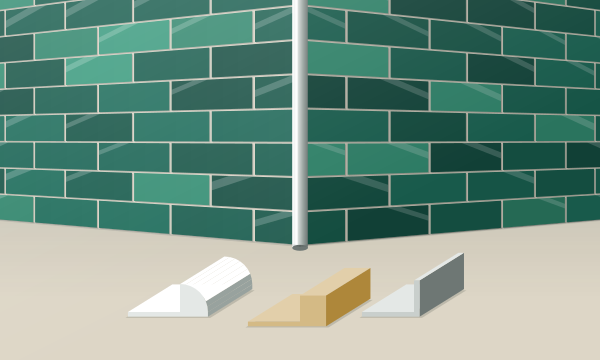
How to Tile Around a Bath: Fit the Bath First
Fit, level and test the bath before any wall tiles go on, then tile down onto the bath rim, not behind it, leaving a few millimetres for a bead of sanitary silicone.
Guides for tilers
Pricing a job per square metre, the tanking record, and getting listed.