Guide
Grout: types, colours and how tiles are grouted
Grout fills the joints between tiles, keeps dirt out of the gaps and holds the tiles in line, but it is not waterproof, so a shower relies on the tanking behind it. Cement grout suits most homes; epoxy resists stains and needs no sealer. The tile, not taste, sets the joint width.
Updated
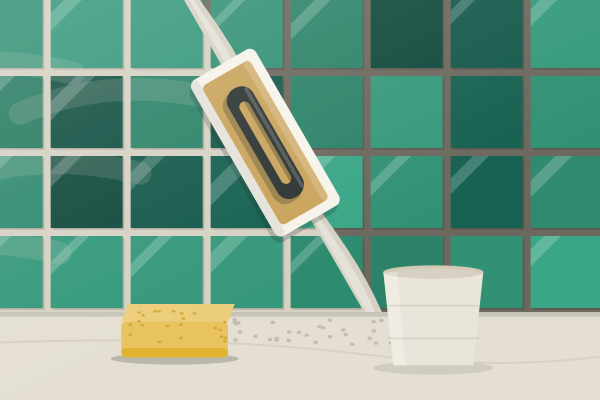
What does grout do?
Grout fills the gaps between tiles. It stops dirt collecting at the tile edges, locks each tile in line with its neighbours, and lets a wall or floor take small movements without tile edges knocking together. It is not glue: the adhesive under the tile does that. Nor is it waterproofing. Grout is porous, so in a shower water passes through it to whatever is behind, which is why a shower is tanked before it is tiled; the guide to tanking a shower or wet room explains how.
Cement grout or epoxy grout?
Cement-based grout is a powder mixed with water, or comes ready mixed in a tub for small wall jobs. It is easy to work, wipes off the tile face with a damp sponge, and suits most walls and floors. Flexible versions are made for heated floors, timber bases and large tiles. For floors and showers, look for a grout classed CG2 under BS EN 13888, the improved class with lower water absorption and better resistance to wear. Left unsealed, it stains over time.
Epoxy grout is a two-part resin. It is dense, shrugs off stains and cleaning chemicals, and needs no sealer, so it is used in showers, kitchens and swimming pools. It has a short working time once mixed, is harder to clean off the tile and costs more, and not every tiler works with it. Sanded grout, a term on some imported products, simply means grout with a fine aggregate for wider joints; UK bags state the joint widths they suit.
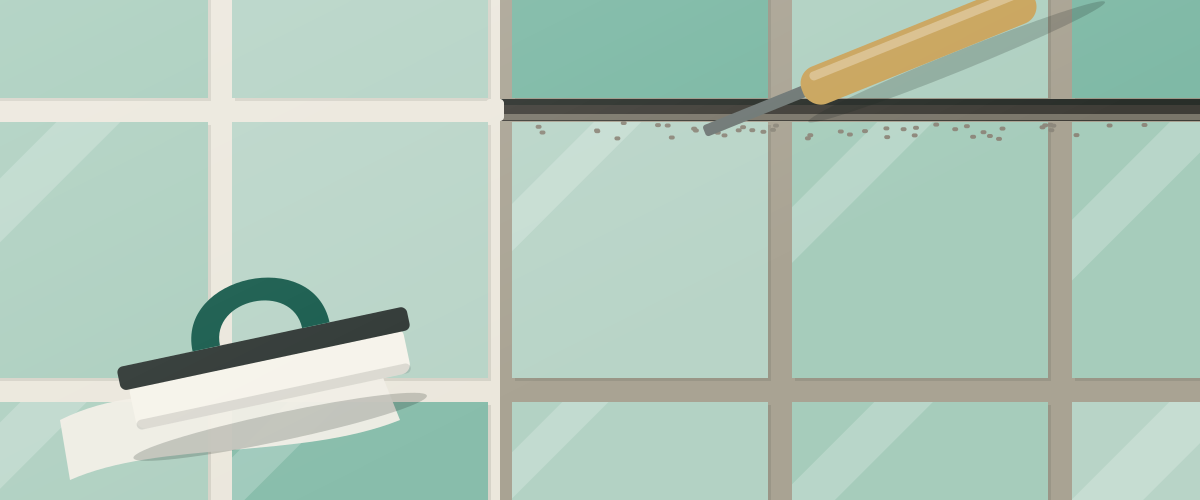
Choosing a grout colour
Grout colour changes how a wall reads more than most people expect. A grout close to the tile colour hides the joints so the surface reads as one. A contrast, such as white tiles with black or dark grey grout, draws every joint and makes any uneven setting out obvious. Light grey on white tiles is a common middle way: it shows less dirt than white grout without the hard lines of black. On floors, a mid or darker shade hides wear. Wet grout looks darker than it will be, so ask to see a cured sample on a spare tile first.
Joint widths
The tile sets the joint width, not taste. Tile makers give a minimum for each tile, and BS 5385 expects a joint on every tiled surface rather than tiles butted tight together. Rectified tiles, ground square at the factory, can take narrow joints; handmade and rustic tiles vary in size and need wider ones to absorb the difference. Spacers or levelling clips hold the gap while the adhesive sets.
How a tiler grouts tiles
With standard adhesive the tiles are left for about a day so it can set; rapid-set adhesive shortens that. Spacers and any adhesive in the joints come out first. The tiler mixes only what can be used before it stiffens, then works it into the joints with a rubber float held at an angle, sweeping diagonally across them so the grout packs in rather than bridging. Once it firms, the joints are tooled to a consistent profile and the face is wiped with a barely damp sponge, rinsed often. The dry haze left behind is buffed off with a cloth. Internal corners, the joint along a bath or tray and the floor edge get silicone, not grout, because they move.
Drying, sealing and when grout fails
Drying times vary by product and room temperature, and the bag gives them. Cement grout firms within hours but keeps curing for longer, so keep a new floor to light use and leave a new shower unused for as long as the maker says. A penetrating sealer on cured cement grout slows staining and needs renewing now and then; epoxy needs none. Stained but solid grout can be cleaned. Cracked, crumbling or missing grout is a regrouting job, and a skim of new grout over the old one will not stay. But if shower tiles sound hollow, move when pressed or the wall behind is damp, water is already past the grout, and the fix is stripping out and re-tiling with tanking.
Common questions
How do you grout tiles?
Wait for the adhesive to set, usually about a day, press grout into the joints diagonally with a rubber float, tool the joints once it firms, and sponge the tile face clean. Leave corners and edges for silicone.
How long does grout take to dry?
Cement grout firms within hours and usually takes light foot traffic after about a day, but it keeps curing for longer. Leave a shower unused for the time the bag gives, and wait for a full cure before sealing.
What is epoxy grout?
A two-part resin grout that resists stains and chemicals and needs no sealer. It costs more and is harder to apply than cement grout, so it is usually kept for showers, kitchens and pools.
Do you need to seal grout?
Cement grout benefits from a penetrating sealer once cured, mainly to slow staining. A sealer does not make a shower waterproof; tanking behind the tiles does that. Epoxy grout needs no sealer.
What colour grout goes with white tiles?
White grout gives a plain look but shows dirt; light grey hides more and still looks soft; black or dark grey turns the joints into a graphic pattern and shows any uneven spacing.
Can you paint grout?
Sound grout can be recoloured with a grout paint or pen. It will not mend cracked or crumbling grout, which has to be replaced.