Guide
Painting tiles: where it lasts and where it peels
Tile paint can last for years on a dry wall that nothing rubs, soaks or heats, such as a cloakroom or a half-tiled wall behind a basin. In a shower, on a floor or behind a hob it usually chips and peels. Preparation decides how long it lasts, and paint will not hold failing grout together.
Updated
Can you paint tiles?
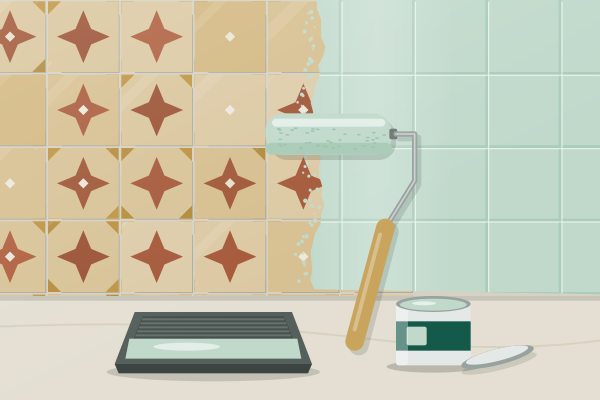
Yes, with a paint made for tiles and careful preparation. But painted tile is a coating sitting on a glaze, not a new surface. A glaze is made so that things do not stick to it, so the paint holds only as well as the primer grips that glaze. Where nothing rubs, soaks or heats it, a painted tile can look tidy for years. Where it is scrubbed, splashed daily or walked on, it chips at the edges and lifts along the grout lines, and a patch rarely blends in.
Where painted tile holds up
Painted tile lasts longest on walls away from the bath and shower: a half-tiled wall behind a basin, a cloakroom, a utility room, or kitchen wall tiles well clear of the hob and sink. It makes most sense as a stopgap. A rental between tenants, a dated colour you can live with until you save for a refit, or a room you plan to strip anyway are all fair uses. Hand-painted tiles are something else: decorative tiles glazed and fired by a maker and fixed like any other tile. They are not a painting job at all.
Where it fails
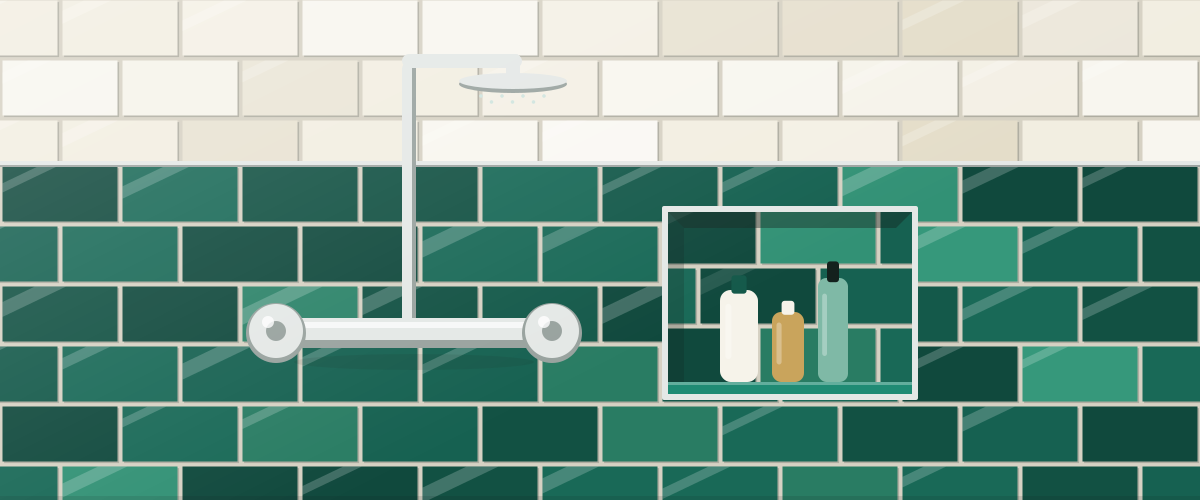
Shower walls. Water, steam and cleaning products soften the paint every day, and water gets in at the grout lines and along the silicone. Paint in a shower also hides the state of the grout and the waterproofing behind it, which is the opposite of what you want in a wet area.
Floors. Painted floor tiles wear through first where people walk: the doorway, the path to the sink, the spot in front of the WC. Grit under shoes scratches the finish. Floor paints and clear topcoats exist and help, but expect touch-ups rather than a lasting finish.
Kitchens behind hobs. Heat, grease and constant wiping lift paint quickly, and a scorched or stained patch behind a pan is hard to repair without it showing.
How to prepare tiles for paint
Preparation decides how long the paint lasts. Wash the tiles with a degreaser such as sugar soap, rinse with clean water and let them dry fully. Fix loose tiles, and rake out and replace crumbling grout first, because paint will not hold a failing joint together. Dull the shine with a fine abrasive pad to give the primer a key, then wipe off the dust. Prime with a bonding primer made for glazed or non-porous surfaces, unless the tile paint says it needs none. Apply thin coats rather than one heavy one, and let the paint cure for the full time on the tin before it gets wet. The grout is painted along with the tiles, so the joints disappear unless you pick them out afterwards with a grout pen.
When regrouting or retiling is the better spend
If the tiles are sound and it is the grout that looks tired, regrouting is often what people wanted when they reached for paint, at about £15 per m² on average in Checkatrade's regrouting guide: see regrouting. If tiles are cracked, sound hollow when tapped, or the wall behind a shower is damp, paint only hides the fault. That job is retiling, with tanking where water lands, and the bathroom tiling page explains what it involves. One visit from a tiler is usually enough to say which you have.
Common questions
Can you paint bathroom tiles?
On walls that stay mostly dry, yes, with a bonding primer and a tile paint. Inside a shower or round a bath that is splashed every day, the paint tends to blister and peel, so it is not a long-term finish there.
Can you paint floor tiles?
You can, with a floor-rated tile paint and a clear topcoat, but painted floor tiles wear where people walk. Treat it as a short-term fix and expect to touch it up.
Can you paint tiles in a kitchen?
Wall tiles away from the hob and sink, yes. Directly behind a hob, heat and grease lift the paint; ceramic or porcelain tiles cope far better there.
Can you paint tile grout?
Yes. A grout pen or grout paint recolours sound grout, and after painting tiles it brings the joint lines back. Cracked or crumbling grout has to be raked out and replaced first.
How long does painted tile last?
It depends on where it is. On a dry feature wall, years; in a shower or on a busy floor, chips often appear much sooner. Cleaning, keying, priming and full curing time make most of the difference.